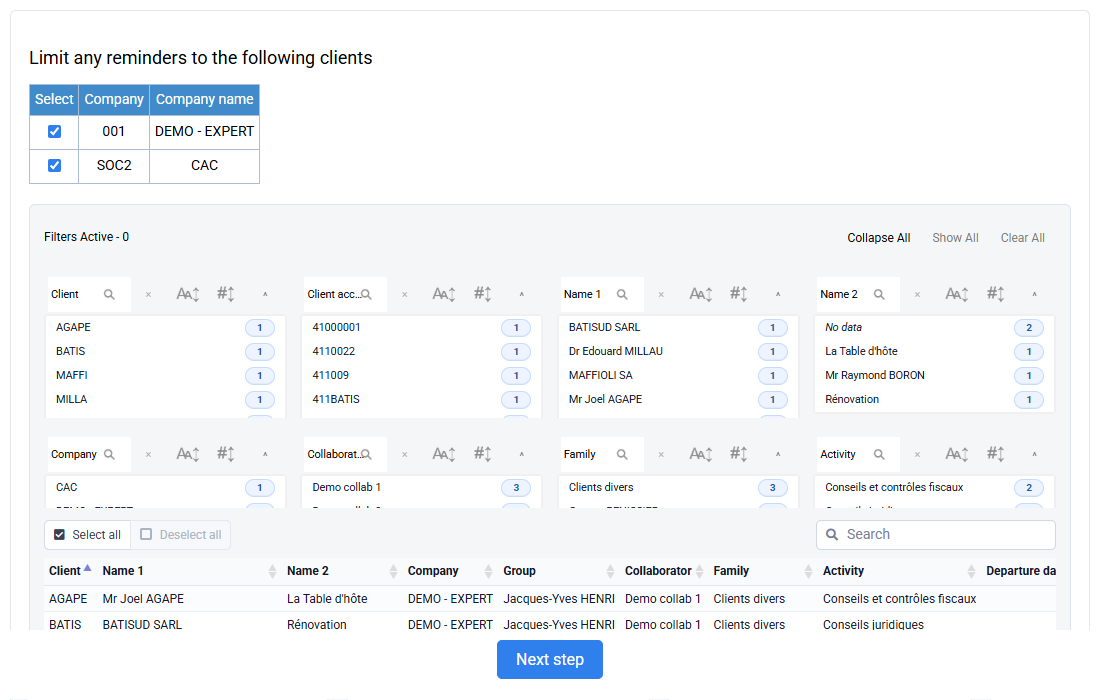


What is the impact of SEPA direct debit rejects on receivables monitoring?
Tempolia provides native SEPA direct debit management, allowing XML files to be generated directly from issued invoices. For accurate monitoring, it is possible to retrieve your bank accounts through our partner Bridge, or to import bank transaction files, and the system will try to automatically match incoming transfers to invoices. An automatic matching tool is integrated to make this reconciliation easier.
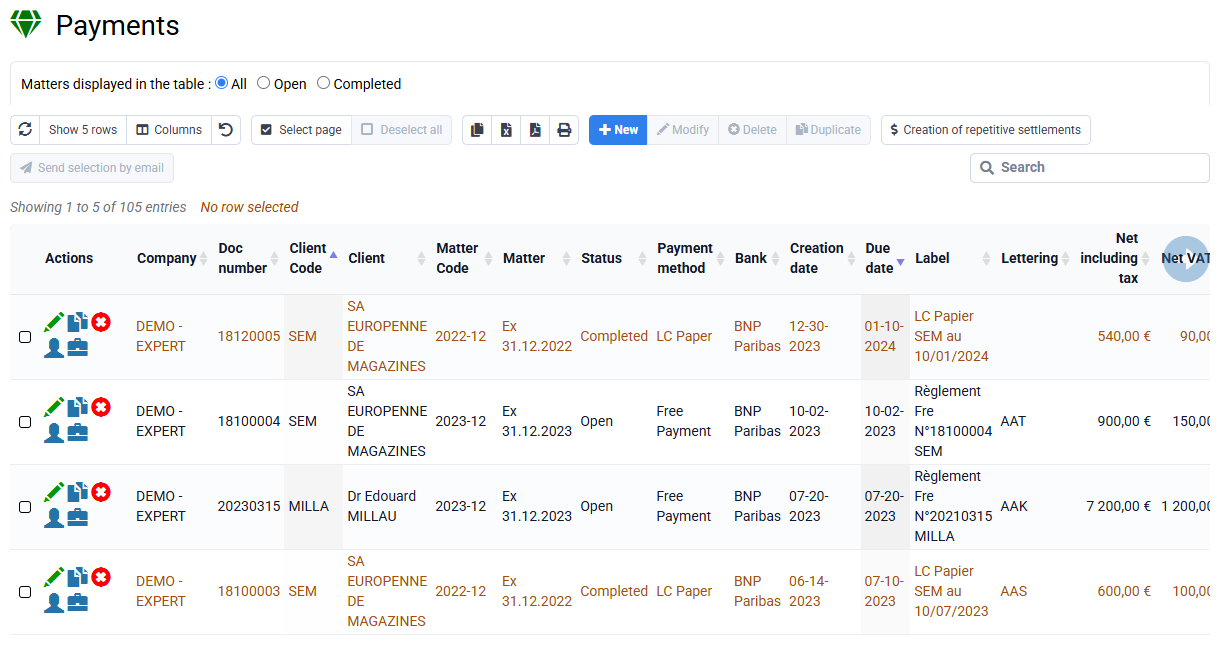
In the event of a direct debit reject, a specific feature creates a reject entry. This entry negatively offsets the initially expected collection. The movement is visible in billing statistics for the outstanding balance.
The aged balance then reflects the remaining amount due. The software does not automatically reschedule the direct debit, leaving the user to decide whether to remind the client or plan a new action, because several approaches are possible. Client reminder tools, by letter or email, are available to manage overdue amounts efficiently.